Formula guide
Tallow soap benefits: what tallow does in a bar
Tallow helps make a firm, long-wearing soap bar with a dense, creamy lather, though the finished bar still depends on the whole formula and cure.
Updated
What are the benefits of tallow soap?
Tallow’s benefits show up in the bar itself. Its fatty acids help make a firm bar that wears slowly and gives a stable, creamy lather. Those are formulation benefits, not medical promises.
Scent, cleansing, lather, look, and after-feel still depend on every ingredient and on how the bar was made and cured. So judge the actual formula, not the word tallow alone.
Four benefits tallow brings to a bar
- A firmer bar. Tallow’s saturated fatty acids give the bar structure, so it feels substantial, holds its shape on display, and resists going soft.
- Longer wear. A firm, properly cured bar can wear away more slowly when it drains and dries between uses. That’s a durability story shoppers understand.
- Dense, creamy lather. Tallow often contributes a stable, creamy lather rather than large, short-lived bubbles.
- Formula versatility. Blending tallow with coconut, olive, castor, or other oils lets a soapmaker balance hardness, cleansing, bubbles, and after-feel.
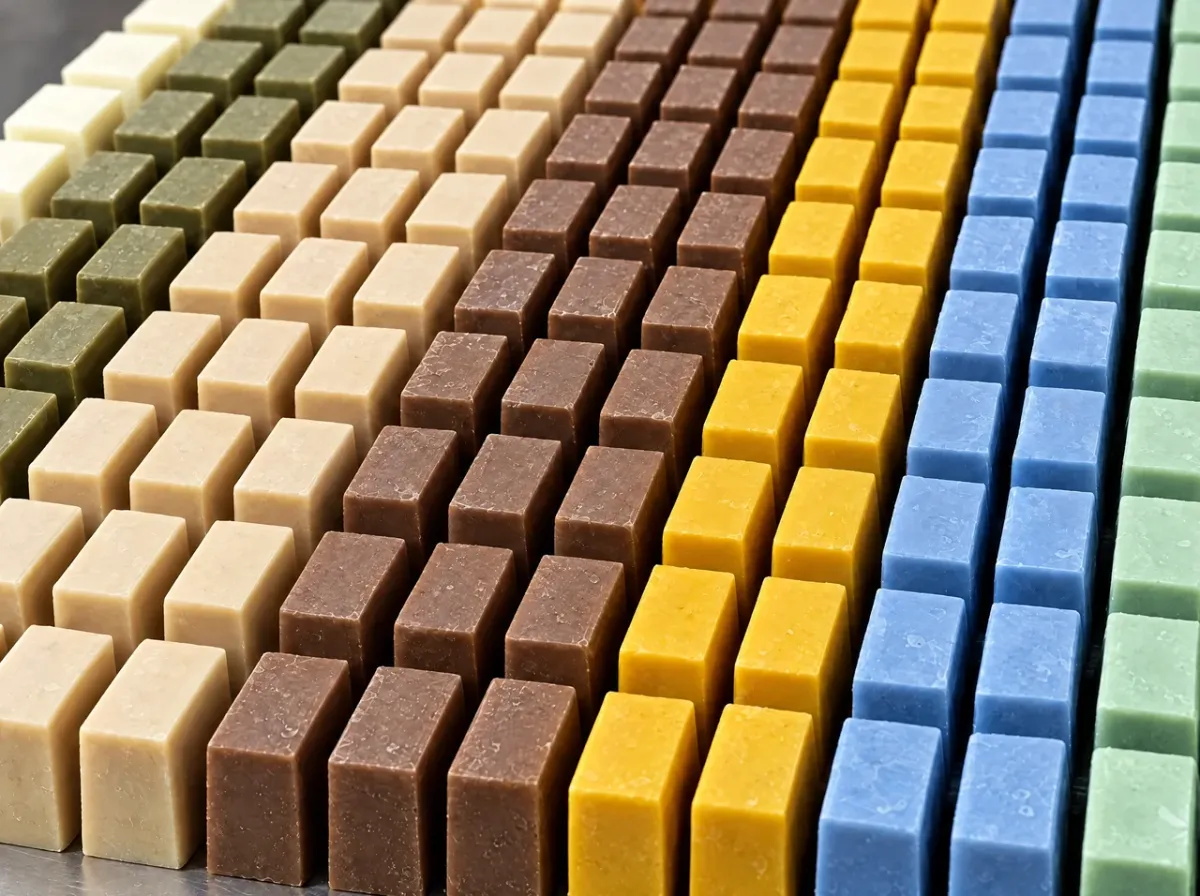
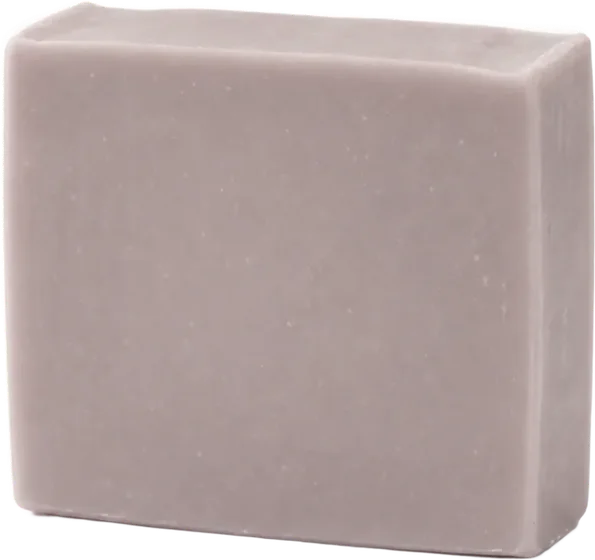
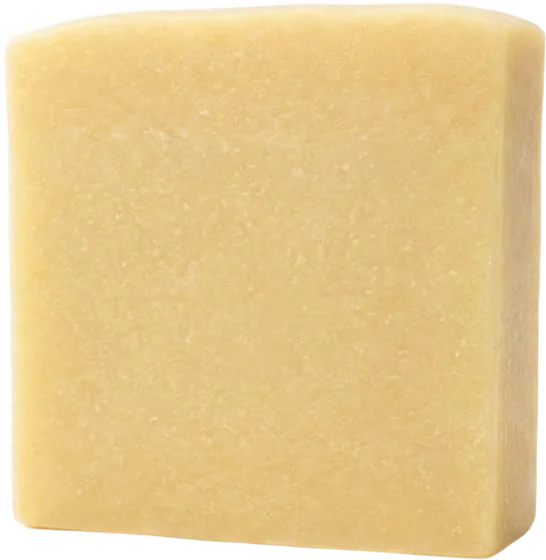
Our 12 tallow soap bars show that range, from Tallow & Honey to Charcoal and Coffee. Each is a 4 oz bar made with pasture-raised, grass-fed, grass-finished tallow from small family farms.
How tallow becomes soap
Soap forms when fats or oils react with an alkali, a reaction called saponification. A finished tallow bar isn’t raw tallow pressed into shape. It’s the product of that reaction and a complete formula.
The bar’s character reflects the fatty-acid profile, formula percentages, alkali calculation, additives, process, cure, and storage. New to the category? Start with what tallow soap is.
Sources: FDA, Is It a Cosmetic, a Drug, or Both? (Or Is It Soap?) and Chemistry LibreTexts, Making Soap Through Saponification.
What the word tallow doesn’t tell you
- Scent. Tallow alone doesn’t tell you whether a bar is unscented, lightly scented, or strongly fragranced. See does tallow soap smell?
- Customer fit. No single ingredient makes a bar right for every person or preference.
- Regulatory category. How a product is formulated, labeled, and marketed affects whether it’s regulated as soap, a cosmetic, or a drug.
If you sell tallow soap, describe the formula, scent, feel, and sourcing, and leave out treatment claims. Comparing suppliers? See the best tallow soap sources.
FAQ
Tallow soap benefit questions
Still have a question? Call 612-208-6516 or email hello@wholesaletallowsoapusa.com.
Does tallow soap smell like beef?
Judge the actual bar, not the ingredient name. Rendering, formula, scent materials, cure, and storage all affect how a bar smells, so sample it when scent matters to your assortment.
How long does tallow soap last?
It depends on the bar and how it’s used. Size, formula, cure, how often it’s used, water exposure, and storage all matter, so let the bar drain and dry between uses. More in how long tallow soap lasts.
Is tallow the only fat in tallow soap?
Not necessarily. Many formulas combine tallow with other fats or oils to shape hardness, cleansing, and lather. Check each product’s ingredient list.
Evaluate the finished bar
Handle the bar before you stock it
Compare formula, scent, and lather with samples before you commit to inventory, packaging, or a customer promise.
- 2 oz soap samples, $3 each
- Any of our 12 scents, specialty included
- Add to your cart and check out online