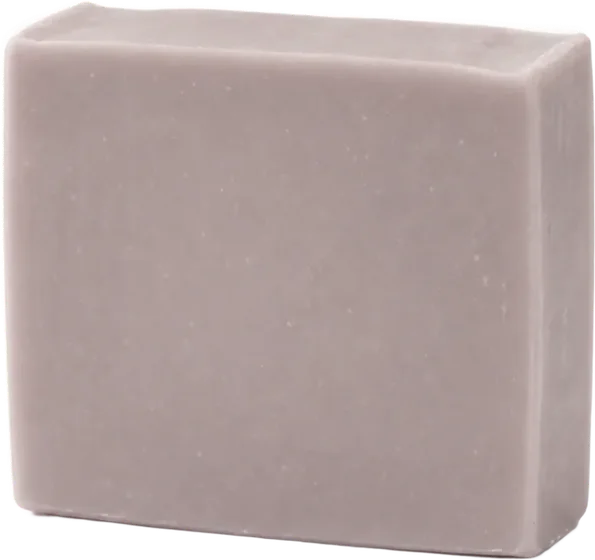
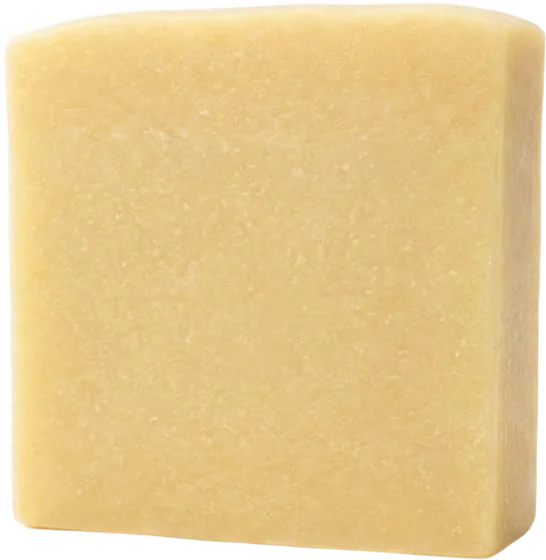
Pricing guide
Wholesale soap pricing: landed cost, retail markup, and margin
Price each bar from its landed cost, not the wholesale price alone. Then check both markup and gross margin.
Updated
Start with the landed cost of each sellable bar, not the supplier’s price alone. Then calculate both markup and gross margin: markup measures profit against cost, and gross margin measures profit as a share of the selling price.
A price that looks like a big markup can still leave too little margin after marketplace fees, discounts, damaged stock, and the cost of winning customers.
Start with the price per bar
Our tallow soap bars are 4 oz each, made with pasture-raised, grass-fed, grass-finished tallow from small family farms. Here is how the price works:
- All soap bars count toward one combined tier, so you can mix scents and still reach a volume price.
- Lavender, Woodsy, Citrus & Lemon, and Coffee cost more to make, so they have their own price at each tier.
- There is no minimum order. Volume tiers are discounts, not minimums.
- In body care, every balm jar counts toward one tier (Tallow Balm, Coffee & Tallow Eye Balm, and Tallow & Honey Whipped Balm). Each other body care product has its own tiers, with sizes and scents counted together. See body care pricing.
The price table below lists every tier, and the estimator totals any quantity.
Add up your landed cost
Landed cost is everything you spend to get one bar ready to sell. Group it into four parts:
- Product: the price per bar at the tier your total bar count reaches.
- Presentation: labels, wraps, boxes, inserts, printing, design, and assembly.
- Movement and handling: inbound shipping, receiving, storage, picking, kitting, and outbound shipping.
- Selling cost: card and marketplace fees, retailer margin, samples, promotions, returns, damage, and the cost of winning customers.
With us, shipping is calculated at checkout from your ZIP code and order weight, so you see the exact charge before you pay, at any order size. Your labels or boxes come first: printed boxes for your bars have live prices on our custom soap boxes page, or use your own labels. If we apply them, add $0.75 each; see labeling and fulfillment.
| Cost line | Per bar |
|---|---|
| Wholesale bar (Standard scent, 1 to 49 bars) | $4.80 |
| Packaging and label | $0.55 |
| Inbound shipping, allocated | $0.35 |
| Assembly and handling | $0.30 |
| Landed cost | $6.00 |
Markup and gross margin give different answers
- Markup = (retail price minus landed cost) divided by landed cost
- Gross margin = (retail price minus landed cost) divided by retail price
Example: a bar with a $6.00 landed cost that sells for $12.00 has a 100% markup, but a 50% gross margin before your other operating costs.
Price for each channel
One bar may need a different price in each place you sell it:
- Direct retail: the price must absorb payment, fulfillment, customer service, promotions, returns, and customer acquisition.
- Marketplace: add listing, transaction, advertising, payment, and shipping-policy costs before you judge the margin.
- Wholesale to another store: your sell-in price must cover your cost and still leave the store enough retail margin.
Move up a tier only when the soap sells
A bigger tier lowers your price per bar, but it also ties up cash in inventory, storage, and packaging labor, and more bars must sell before you reorder. Let samples and real sell-through tell you when a larger tier improves the business.
After launch, track units sold by formula, gross margin by channel, discount rate, damage and replacements, weeks of stock left, and the cash needed to reorder. Planning a private-label line? Our tallow soap brand launch checklist covers the rest.
Soap bar pricing
Our wholesale soap prices
Every scent counts toward one bar total, specialty scents included. That total sets your tier, and each scent pays its own price at it. Try a mix in the estimator, with or without packaging.
| Bars | 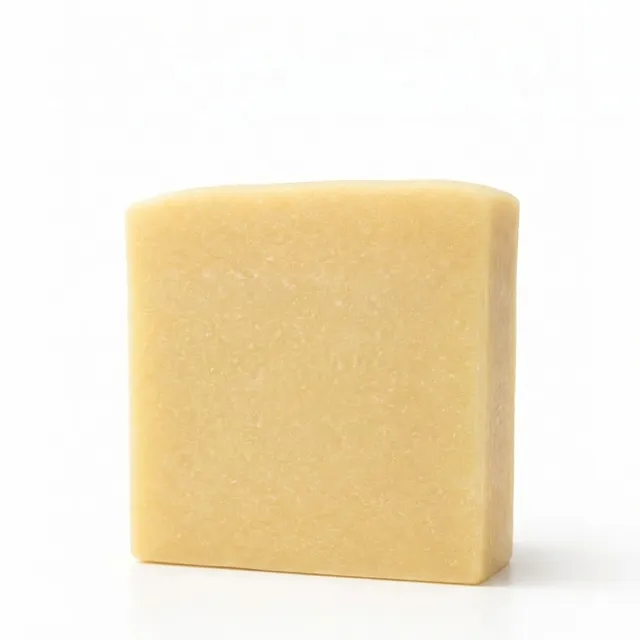 Standard Standard |
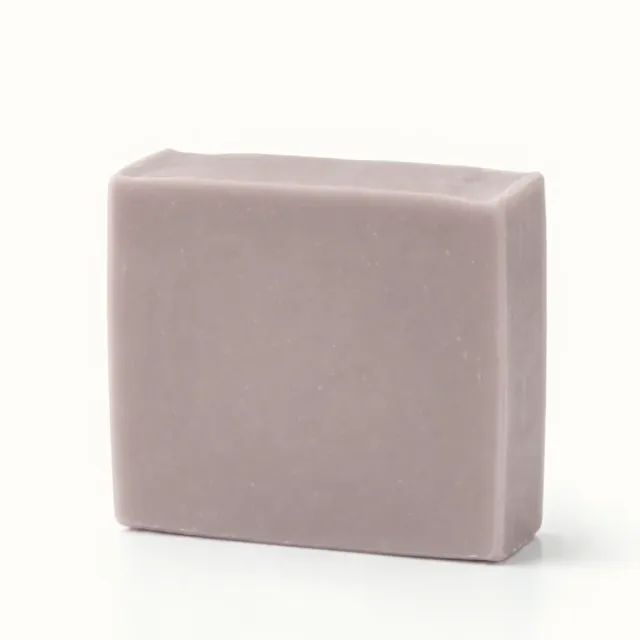 Lavender, Woodsy Lavender, Woodsy |
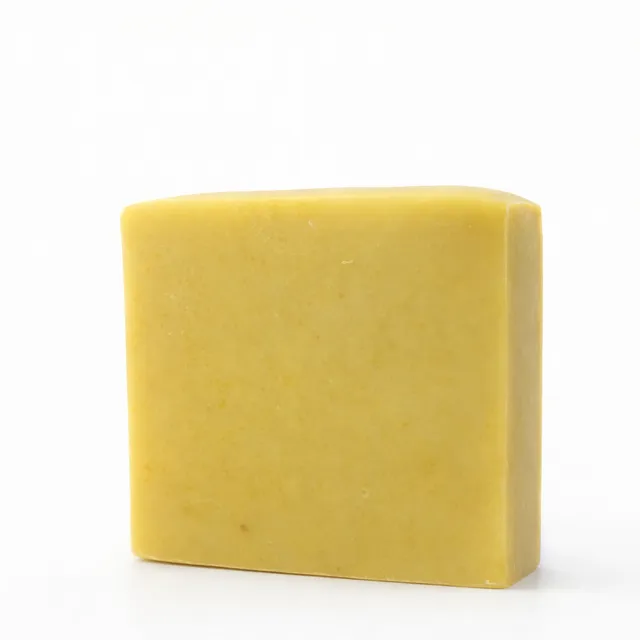 Citrus & Lemon Citrus & Lemon |
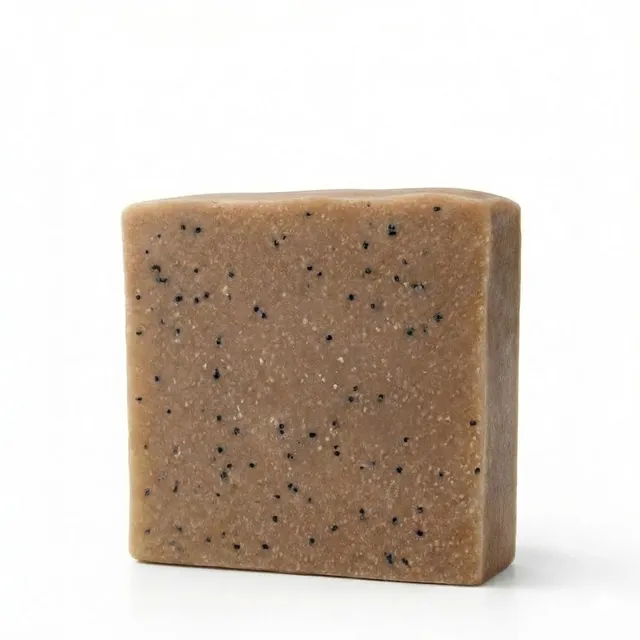 Coffee Coffee |
|---|---|---|---|---|
| $4.80 | $5.10 | $5.50 | $5.90 | |
| $4.55 | $4.85 | $5.25 | $5.65 | |
| $4.25 | $4.60 | $4.95 | $5.35 | |
| $3.95 | $4.25 | $4.65 | $5.05 | |
| $3.70 | $4.00 | $4.40 | $4.75 | |
| $3.45 | $3.75 | $4.15 | $4.50 | |
| $3.25 | $3.55 | $3.95 | $4.30 |
Price per 4 oz bar for Standard scents. Every scent counts toward the same bar total.
- Standard: Honey, Olive, Goat Milk, Coconut Milk, Eucalyptus, Charcoal, Maple Pumpkin, and Petals.
- Mix any scents. Every bar counts toward one total, specialty scents included, and each scent pays its own price at that total. Example: 25 Honey and 25 Coffee bars make 50, so Honey is $4.55 and Coffee is $5.65.
- Specialty scents cost more to make. Every sample is $3.
Not ready to order? Try $3 samples first, or plan an order with us.
FAQ
Wholesale soap pricing questions
Still have a question? Call 612-208-6516 or email hello@wholesaletallowsoapusa.com.
More buyer guidesWhat is your wholesale soap price?
Our eight standard scents start at $4.80 per 4 oz bar and drop to $3.25 at 2,000 bars or more. Lavender, Woodsy, Citrus & Lemon, and Coffee have their own price at each tier. The table above lists every tier.
Can different bars combine toward the same price tier?
Yes. All soap bars count toward one combined tier, whatever the scent. The four specialty scents keep their own price at each tier. In body care, every balm jar counts toward one tier, and each other product has its own.
What retail markup should a soap store use?
There is no universal percentage. Work from your landed cost, channel fees, the gross margin you need, what your customers will pay, competitors’ prices, and your expected discount rate.
Should a new brand buy the largest tier?
Not automatically. A lower price per bar doesn’t help if you overbuy slow sellers. Start with samples and a focused assortment, then let sales data earn the next tier.