Wholesale tallow soap, body care, hair bars, and specialty products Start with samples
Menu
Founder guide, updated August 6, 2026

How to Start a Tallow Soap Business

You do not need to build a soap factory before you know what your customers will buy. Start with a clear customer, samples you can evaluate honestly, a sellable unit you can explain, and a sourcing path that lets you learn before you overcommit.

Wholesale Tallow Soap USA supplies ready-to-order 4 oz grass-fed tallow soap bars, private-label programs, custom manufacturing, and bulk tallow sourcing for US businesses. This guide is for the founder who wants a real product and a real brand, but does not want the first order to become an expensive lesson.

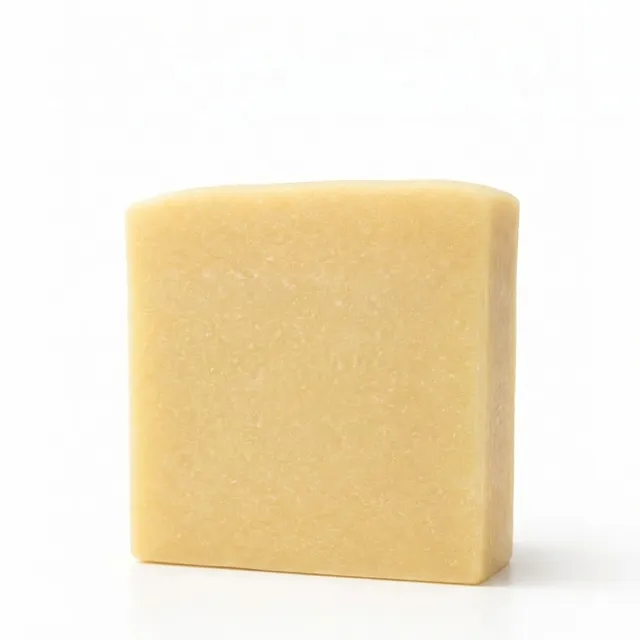
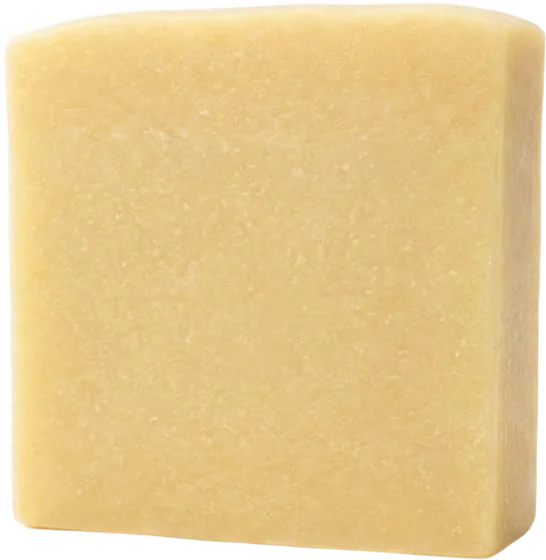
Tallow soap bars ready for a new wholesale brand
4 oz Current stock bar size
No fixed minimum Private-label planning
From $4.80 Current stock bar starting price
Since 2022 WTS operating history
The direct answer

How do you start a tallow soap business without creating unnecessary risk?

Start with the business you want to sell into, not the equipment you are tempted to buy. Decide whether your first offer needs stock wholesale, private label, custom manufacturing, or bulk tallow for another product category. Request samples. Build the complete cost of the unit you will actually sell. Then test a small, focused assortment in one or two channels.

The order of operations matters because a soap business is not only a formula. It is a customer, a product promise, a label, a package, a photograph, a listing, a sales conversation, a delivery experience, and a reason to reorder.

01

Choose the buyer

Write down who will buy first and where they already shop.

02

Choose the path

Match your need for control with the time and inventory work you can own.

03

Test the sellable unit

Evaluate the bar, packaging, price, message, and channel before expanding.

The part nobody says out loud

If you are staring at an equipment list, pause here.

You may have started with a simple thought: people are interested in tallow, you have a product idea, and you want to build something of your own. Then the tabs multiply. Lye calculators. Molds. Labels. Insurance. Market applications. Website platforms. Shipping boxes. Ten possible scents. A spreadsheet that still does not tell you what the first order should be.

That feeling is not a sign that you are not ready. It is a sign that there are several different businesses hiding inside the phrase tallow soap business. Your first job is to choose which work you want to own now and which work can be handled by a production partner while you learn the market.

It is completely reasonable to delay the custom scent, the large packaging run, the complicated website, and the equipment purchase until you have evidence that they solve a real customer problem.

Do this first

Make the first decision smaller.

  • Choose one primary customer and one first sales channel.
  • Request samples before you design a full line.
  • Pick two or three products to evaluate closely.
  • Write down every task between receiving the bars and getting paid.
  • Set a next decision date instead of trying to solve the whole business tonight.
Start with the business model

What are you actually trying to build?

The same tallow bar can belong in very different businesses. Your first channel changes the packaging, the explanation, the quantity, the photography, and the work that happens after the sale.

An Etsy or own-brand shop

You need a product page that answers questions quickly, photography that feels trustworthy, clear shipping information, and a story that gives the product a reason to be chosen among similar listings.

First useful asset: a focused assortment with clean product photos, honest descriptions, and one clear bundle.

See the Etsy seller path

A market or farm-store table

You need a product that can be understood in a short conversation. Customers should be able to see what it is, smell or handle it where appropriate, understand the price, and know what makes the bar fit their routine or gift list.

First useful asset: a simple display, a short explanation, and a way to record the questions people keep asking.

See the market path

A branded wholesale line

You need a compact assortment that a buyer can explain to staff, place on a shelf, and reorder without needing a ten-minute training session. Packaging and replenishment logic matter as much as the product itself.

First useful asset: a line sheet or simple wholesale presentation with assortment, pricing, lead time questions, and reorder contact.

Explore private label

A broader tallow product line

You may want to make your own soap, balms, creams, lotions, or salves. WTS supplies bulk tallow for businesses that want control of their own formulas and production while buying the core ingredient in commercial quantities.

First useful asset: a short product brief that names the format, intended use, target scale, and expected tallow use per batch.

Compare bulk tallow options and pricing Buy by the pound and save 25% at every volume tier: shop Bulk Grass-Fed Beef Tallow or shop Bulk Grass-Fed and Grass-Finished Beef Tallow. Orders start at 1 lb. Shipping is invoiced separately after purchase and paid before fulfillment.
The sourcing ladder

Choose the amount of control you can support.

There is no prize for choosing the most complicated path first. The right path is the one that lets you make a credible offer, learn from actual customers, and keep enough time and cash available for selling.

Path Best starting point when You take on You postpone or avoid
Stock wholesale You want the fastest way to evaluate demand and selling conversations. Merchandising, packaging choices, listings, sales, storage, and fulfillment. Formulation and in-house production work.
Private label You want the product to live under your brand and are ready to choose a focused assortment. Brand direction, packaging, label approvals, launch assets, and customer acquisition. Building the formula and production floor yourself.
Custom manufacturing You can describe a specific product gap that the stock path cannot solve. A more detailed brief, decisions, approvals, timing, and project-specific requirements. Using customization as a substitute for learning what sells.
Bulk tallow You want to formulate and produce your own soap, balm, cream, lotion, salve, or other tallow product. Your own formulation, production, packaging, testing, compliance, and fulfillment plan. Repeatedly sourcing the core ingredient from small containers as production grows.
Make it yourself The craft and production process are central to the business you want to operate. Equipment, formulation, lye handling, curing, batch consistency, records, packaging, and fulfillment. Separating product making from the rest of the business workload.

WTS gives you a progression, not a forced leap.

Start with samples. Use stock when you need to learn quickly. Move into private label when your offer and customer are clearer. Discuss custom manufacturing when a defined need justifies the extra decisions. If you make the product yourself, compare bulk tallow for soap making or bulk tallow for balms, creams, and lotions.

Planning framework, not measured data

The low-regret launch ladder

01

Sample

Handle the bar and test the story.

02

Sell small

Choose one focused assortment and channel.

03

Learn

Track questions, sell-through, and repeat interest.

04

Scale

Increase volume or customization when evidence supports it.

The question at every step: what did we learn that changes the next order?

Future image placeholder

Make the first sample feel like the beginning of a brand.

Your first samples are not only for deciding whether you like a scent. They are the raw material for your product photos, your founder story, your customer conversations, and the first honest version of your offer.

Put the bars in the hands of people who resemble the customer you want. Ask them to describe what they notice without giving them the answer first. Notice which questions come up repeatedly. Those questions belong on your product page, your market sign, and your social content.

Image placeholder

Founder evaluating a small sample set

Asset brief: Hands, 4 oz bars, a notebook, simple packaging materials, and a sample scorecard on a warm worktable. No invented labels or readable fake claims. The image should feel like a real founder making a careful first decision.

Sample scorecard

Rate each candidate from 1 to 5, then write a sentence explaining the score. A number without a reason will not help you choose.

What to evaluate Notes to capture
First impression What do you notice before anyone explains the bar?
Scent Strength, character, and fit with the intended customer.
Lather and rinse What do testers describe in their own words?
Hardness and appearance How does the bar look after use and storage?
Photo appeal Can you show the product clearly without heavy styling?
Brand fit Does the bar support the story you can honestly tell?
Operational fit Can you package, store, ship, and reorder it?
Build the sellable unit

The bar is not ready until the whole customer experience is ready.

A low unit price can still create a bad first order if the packaging, photography, delivery, fees, and founder time do not fit the channel. Use a landed-cost model before you choose a retail price or promise a wholesale discount.

Your landed-cost stack

  1. Wholesale product cost and quantity tier
  2. Packaging, labels, inserts, and application
  3. Inbound shipping to your storage or fulfillment location
  4. Labor for assembly, photography, listing, packing, and customer support
  5. Channel fees, payment processing, advertising, market fees, or wholesale discounts
  6. Sampling, damaged orders, returns, and other learning costs

Planning formula: product + packaging + inbound shipping + labor + channel costs + learning costs = the cost of the unit you actually sell.

Questions to answer before ordering

  • What is the customer paying for, and what is included?
  • Who applies the label and checks the finished package?
  • What happens if one bar arrives damaged?
  • Can one person explain the product in one sentence?
  • What is the smallest order that lets you test the offer?
  • What would make you reorder this exact bar?
Cost area Include it Decision it should inform
Product Bar price, eligible quantity tier, assortment, and project-specific charges. Which quantity gives you room to learn without slow inventory?
Packaging Label, wrap, box, insert, design, proofing, application, and assembly. Is the finished unit ready for a shelf, a market table, or a shipment?
Channel Marketplace fees, payment processing, booth fees, advertising, or wholesale discount. Which channel can support the work required to sell it?
Delivery Pick and pack, postage, shipping materials, customer support, and returns. Can you keep the delivery promise profitable for one bar and for a bundle?

Review the wholesale pricing guide

Choose the first selling channel

Pick the channel that gives you the fastest useful feedback.

You do not need to be everywhere. Choose one primary channel and one supporting channel so you can learn what customers respond to without creating five separate businesses at once.

Channel Useful first signal Work people underestimate First asset to prepare
Etsy Which product page, photo, price, and question earns attention. Listing quality, messages, fees, shipping, reviews, and consistent photography. Two or three complete listings with clear product information.
Own website Whether your story and offer convert traffic you create yourself. Driving traffic, checkout setup, email capture, analytics, and updates. A small site with a clear home page, product pages, FAQ, and contact path.
Markets What people touch, smell, ask, compare, and buy in person. Applications, fees, travel, booth setup, payments, weather, and follow-up. A simple table display, price cards, a short explanation, and permission-based email capture.
Boutiques and farm stores Whether a buyer can understand the assortment and reorder it. Wholesale pricing, line sheets, buyer outreach, delivery, and restocking. A compact wholesale presentation with product, pricing, packaging, and contact details.
Spas and med spas Whether the product fits an existing retail or gift ritual. Relationship building, staff explanation, product fit, and setting-specific expectations. A short product story and a retail-ready sample conversation.
Gift, subscription, and hospitality Whether the product makes sense as a repeatable gift or guest experience. Seasonality, presentation, deadlines, customization questions, and larger-order coordination. A small assortment and a clear packaging or gifting brief.
Future visual placeholder

Channel fit scorecard

Use this worksheet before you choose a market, marketplace, or wholesale path. Score each channel from 1 to 5 for your own situation. This is a planning tool, not a performance benchmark.

Channel Customer fit Setup burden Feedback speed Repeat potential Next action
Etsy ___ ___ ___ ___ ________________
Own website ___ ___ ___ ___ ________________
Market or event ___ ___ ___ ___ ________________
Boutique or farm store ___ ___ ___ ___ ________________
Spa or med spa ___ ___ ___ ___ ________________

Asset brief for the future designed version: A warm editorial worksheet with five horizontal channel rows, handwritten score marks, and a small note that says “Choose the channel you can actually follow up with.”

Social media that feels like a business, not a performance

You do not need to become an influencer. You need repeatable proof of the work.

Early content works best when it helps a customer decide, lets them see the product clearly, or gives them a reason to remember your brand. Build around three repeatable pillars instead of trying to invent a new personality every day.

01

Teach

Answer one question in plain language: what tallow soap is, how you choose an assortment, what to look for on a label, or why your business chose this category.

Post ideas: “What I checked before choosing my first bar.” “Three questions I asked before ordering.”

02

Show

Let people see the product moving through the real business: opening samples, labeling, preparing a shelf, packing an order, or setting up a market table.

Post ideas: “Packing the first small assortment.” “What fits in my market kit.”

03

Invite

Turn attention into participation. Ask people to choose between two scent directions, send a question, visit the table, join the email list, or request a restock notice.

Post ideas: “Which bar would you pick for a gift?” “What would you want to know before buying?”

Content moment What to show Useful call to action
Unboxing Samples, packaging materials, notes, and the first product questions. Ask a question or join the launch list.
Product detail Bar size, texture, packaging, scent direction, and how the product is presented. View the product or request samples.
Founder decision Why you chose one path, delayed another, or narrowed the first assortment. Follow the launch or send a buyer question.
Market preparation Table layout, price cards, display height, bags, payment setup, and the final checklist. Find you at the event or join the next-date list.
Customer question A clear answer without overclaiming or turning the product into a medical promise. Read the FAQ or contact you for help choosing.
Image placeholder

Vertical content session for a new founder

Asset brief: A phone on a simple stand, 4 oz bars, a label sheet, and hands creating one honest product video. The frame should feel achievable in a small studio, not like a staged influencer set.

Events and markets

A market table is also a customer-research desk.

Events can help you learn faster because you hear the questions that never appear in a search report. The goal is not to bring every possible product. The goal is to make the first conversation easy, observe what people respond to, and leave with better decisions than you arrived with.

Before applying, check the event’s current rules, fees, product requirements, display expectations, and insurance requirements. Keep those decisions separate from your product assumptions.

Image placeholder

Small market booth with a clear product story

Asset brief: One table, vertical risers, simple price cards, a focused assortment of 4 oz bars, bags, a card reader, and a founder talking with one customer. No unreadable fake signage.

Event launch checklist

When Work to complete
Before you apply Decide whether the audience fits your buyer. Review current rules, fees, dates, setup needs, payment options, and insurance requirements.
Two weeks before Confirm the assortment, packaging, price cards, display, payment method, bags, email sign-up, and transportation plan.
Day before Pack by checklist. Photograph the table before leaving. Bring more of the product you can explain clearly, not every product you own.
At the table Ask what brought the visitor over. Let the product be handled or smelled where appropriate. Write down exact questions and phrases.
After the event Thank permission-based sign-ups, record what sold and what did not, and decide what changes before the next event.

A simple conversation opener

“Are you shopping for yourself, a gift, or a shop?”

That question tells you which explanation to give next. It also prevents the founder from delivering the same memorized pitch to everyone who walks by.

Your first website

Build the smallest site that makes the business easier to trust.

You do not need a large website on day one. You do need a place that answers the questions a marketplace listing or social post cannot answer well: who is behind the brand, what the product is, how to choose, where to buy, and how to ask about wholesale or private label.

Minimum useful site map

  1. Home: who you serve, what you sell, and one clear next step.
  2. Product: honest photos, size, ingredients, scent or formula information, price, shipping, and care details.
  3. About: why this category, how the brand makes decisions, and what customers can expect.
  4. FAQ: the questions you hear in DMs, at markets, and before checkout.
  5. Contact or wholesale: a simple path for shops, spas, gift buyers, and private-label conversations.

What to delay

  • A large catalog before the first assortment has a job.
  • Complicated subscriptions before you know reorder behavior.
  • Long founder copy that never explains the product.
  • Claims you cannot support with the formula or the evidence.
  • Custom development that exists only because the website is not yet clear.

Where Loon Digital MN can fit

If you want someone to help you get the site off the ground, Loon Digital MN is a great option. These guys are based in Minnesota and were started by a small-business founder on a mission to help other entrepreneurs get a strong start. They also built the WTS website for us, so this is a recommendation we can make from experience, not a random vendor list.

Bring a one-page brief: your customer, first products, sales channel, photos you have, photos you still need, and the one action you want visitors to take.

Image placeholder

One-page website wireframe

Asset brief: A clean wireframe showing Home, Product, About, FAQ, and Wholesale Contact blocks. Include a clear sample or shop CTA. No fabricated interface screenshots or invented testimonials.

A four-week planning rhythm

Give each week one job.

This is a planning framework, not a guaranteed timeline. Packaging, production, event dates, and your available hours will change the pace. The point is to keep the next decision visible.

Week Primary job What to finish What not to expand yet
Week 1
Clarify
Choose the buyer and the first channel. One customer sentence, one channel choice, a short product brief, and a sample request. Do not build a ten-product catalog.
Week 2
Evaluate
Test the product and the story. Sample scorecard, tester notes, first product questions, and a focused assortment decision. Do not commit to custom because one detail is exciting.
Week 3
Package
Build the sellable unit. Label and packaging plan, landed-cost model, photos, product description, and fulfillment checklist. Do not call the product ready if delivery and support are still undefined.
Week 4
Launch
Put the offer in front of real buyers. Listings or event table, social content, permission-based email capture, and a simple measurement sheet. Do not treat attention as proof until people take a buying action.

Track the product

Units sold by formula, questions, objections, and repeat interest.

Track the channel

Where the sale came from, what the channel required, and what it cost to serve.

Track the decision

What you will reorder, change, stop, or investigate next.

When to move up the ladder

Custom is a response to a clear need, not a badge of seriousness.

You may be ready for a more customized path when you can answer the questions that make customization useful:

  • Which customer is asking for the product?
  • What specific gap does the stock assortment leave?
  • What evidence says the product deserves more complexity?
  • Which ingredients, scent, format, or packaging details are essential?
  • What will you do with the product after it is made?

Until you can answer those questions, samples and a focused stock or private-label test may teach you more than a larger brief.

Bring this to WTS

Make the sourcing conversation useful.

  • Your customer and selling channel
  • Target quantity and launch date
  • Product or scent direction
  • Packaging and label responsibilities
  • Questions about stock, private label, custom, or bulk tallow
Start the conversation
Tallow soap business FAQ

Questions to answer before the first order.

Do I need to make soap myself to start a tallow soap business?

No. You can begin with stock wholesale bars, an eligible private-label program, or a custom manufacturing conversation. If making the soap is central to your business, WTS also supplies bulk tallow for soap making in whole-pound orders starting at 1 lb, with 25% off every volume tier.

What is the difference between stock wholesale and private label?

Stock wholesale is the quickest way to evaluate finished products and selling conversations. Private label is for a product that lives under your own consumer-facing brand and packaging direction. Confirm the exact product, packaging, assortment, timing, and quantity requirements for the path you choose.

What is the current WTS private-label planning point?

Private-label planning is available without a fixed minimum for eligible established formulas. Eligibility, assortment, packaging, timing, shipping, and final project requirements are confirmed before you commit.

How much does it cost to start a tallow soap business?

There is no honest single startup number because the answer changes with product path, quantity, packaging, shipping, sales channel, equipment, and the amount of work you keep in house. WTS stock bars currently start at $4.80 each, and eligible bars combine across public quantity tiers, reaching $3.25 each at 2,000 or more. Build your own landed-cost model before choosing inventory.

What should I sample before placing a larger order?

Evaluate the 4 oz bar, scent, lather, hardness, appearance, packaging fit, customer story, photo appeal, and complete sellable-unit cost. WTS offers a single-bar trial and a Brand Builder Kit through the sample program.

Can I sell tallow soap on Etsy without making it myself?

You can explore stock wholesale or private-label sourcing instead of making the soap yourself. Review the current marketplace rules and accurately represent your product, brand, and production relationship. Do not assume that a packaging or branding choice is permitted without confirming it for your exact path.

Should I start with Etsy, a website, or a farmers market?

Choose the channel where you can get useful feedback and follow up. Etsy can help you test listings and online demand. Markets can reveal questions and objections quickly. An owned website gives you a home for your story, products, FAQ, and wholesale contact path, but you still need to create the traffic.

Do I need a website before I sell my first bar?

Not necessarily. You can begin with one marketplace, one event, or an existing retail relationship. A simple owned site becomes valuable when you need a place to explain the brand, collect interest, answer repeat questions, or receive wholesale and private-label inquiries.

What should I post on social media when the brand is new?

Use three pillars: teach one useful product or sourcing idea, show the real work of building the line, and invite people to participate through a question, launch list, market date, or product choice. The best early content often answers the same questions people ask before buying.

Can WTS source bulk tallow for balms, creams, lotions, or salves?

Yes. WTS supplies bulk tallow for balms, creams, and lotions in whole-pound orders starting at 1 lb, with 25% off every volume tier, with published volume pricing for grass-fed and grass-fed and grass-finished options.

What should I measure after the first launch?

Track units sold by product, where each sale came from, the questions people asked, what packaging or message helped, the full cost to serve the order, and what customers asked for next. Use those observations to decide what to reorder, change, or postpone.

What should I know about labels and product claims?

Confirm the requirements that apply to your product category, location, packaging, and claims before selling. Use accurate product information and avoid disease, treatment, or other claims you cannot support. When the classification or requirement is unclear, consult the relevant official guidance or a qualified professional.

Need implementation, not more homework?

Choose how much of the brand and store build you want WTS to coordinate.

If you have the customer and direction but do not want to manage product sourcing, packaging, images, copy, Shopify setup, order routing, and fulfillment separately, use the complete brand-build path.

Two ecommerce paths

Use tallow soap dropshipping when the store or brand already exists and WTS fulfillment is the missing piece.

Plan a complete tallow soap brand build when you want the product, brand assets, Shopify store, and fulfillment path coordinated together.

Ready to make the first decision?

Bring your tallow soap business idea, and leave with a clearer next step.

Share your customer, channel, target quantity, packaging direction, and questions. WTS can help you compare stock, private label, dropshipping, complete brand building, custom manufacturing, and bulk-tallow sourcing paths.

The WTS tallow standard

Pasture-raised, grass-fed tallow from small family farms.

Our tallow is dry rendered, never bleached or deodorized, and contains no additives. Product declarations identify organic ingredients wherever they appear in the selected formula.

Read the complete tallow standard

  • Pasture-raised and grass-fed sourcing
  • Small-family-farm supply
  • Dry rendered without bleaching or deodorizing
  • No additives in the tallow
  • Organic ingredients identified formula by formula
Questions before you order?

Talk through your order with WTS.

Call us directly or send the details of the assortment, volume, private-label plan, or custom project you are considering.

612-208-6516

    This site is protected by reCAPTCHA and the Google Privacy Policy and Terms of Service apply.