Free formulation tool
Tallow soap calculator with clear lye and water math
Build a bar or liquid soap recipe, or check one you already make. Get the lye, water and superfat, a plain-English check of how the soap will behave, and one-tap controls to make a bar harder, gentler or more bubbly. Built for tallow, and just as good for lard and plant-based soap.
- Live recipe check with fixes
- Tap for more or less hardness, lather or conditioning
- Tallow, lard or plant-based
- Superfat from the lye you use
- Bulk suet tallow by the bucket or block
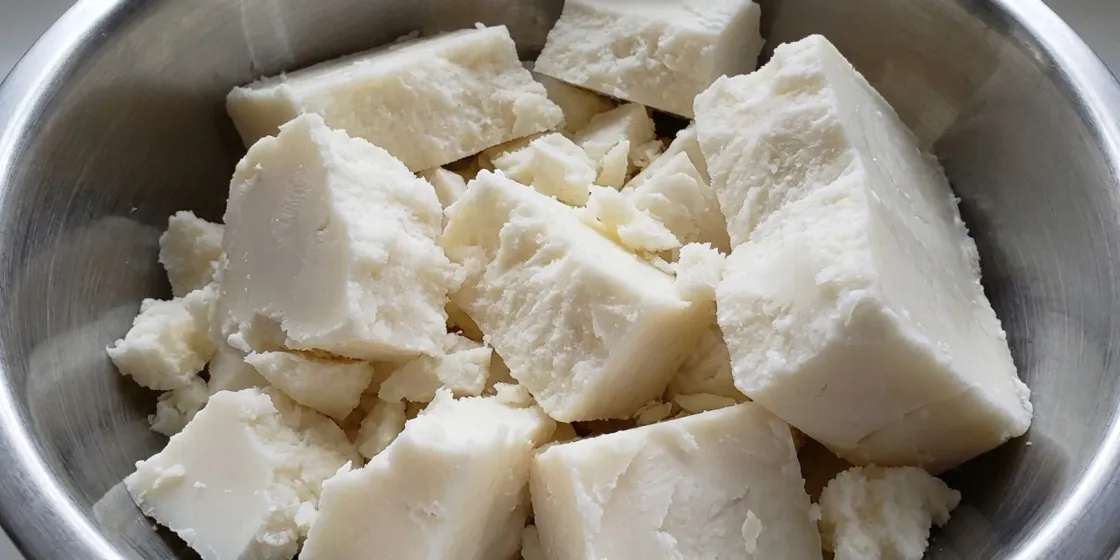
Bulk suet tallow
Make your soap with our tallow
Dry-rendered, food-grade, and not bleached or deodorized. Order online by the bucket or block, with no minimum.
Calculator
Build or check your recipe
Results update as you type. Green is on target, amber leans one way, red means fix it first. Tap More or Less under Bar qualities to dial in hardness, lather and conditioning.
Saved draft found.
Start from a proven recipe
1Batch
2Oils, fats and butters
3Lye and water
Soap typeBar soap uses sodium hydroxide (NaOH).
From your NaOH label.
Most KOH flakes are sold at 90%.
5 to 20% for a bar with bigger lather.
Three ways to say the same amount of water. Set one and the other two follow.
Milk or purée counts too. The strength check then reads a little high.
4Scent and additives optional
Citric acid uses up lye, so the calculator adds lye to cover it. Check your supplier's maximum rate for every scent.
Recipe check
Your recipe check will appear here
Add your oils to see the lye, water and how the bar will behave.
What to know
Bar qualities
Tap More or Less to reshape the bar. The calculator swaps a little of one oil for another, keeps the other qualities in range, and recalculates the lye and water.
Shaded bands are the typical ranges soapmakers aim for. Outside one isn't wrong: it shows which way the bar leans. Cure time, additives and your process matter too.
Fatty acid profile
Full recipe
| Ingredient | Weight | % of oils | Lye share |
|---|---|---|---|
| Oils total | 100% | ||
| Batch total |
Weigh every ingredient. The Lye column shows how much of the lye each oil needs.
Saved on this device
How this is calculated
- Calculator
- v1.4.3
- Ingredient data
- 148 oils, fats, butters and waxes: standard reference SAP, fatty acid, iodine and INS values
- Lye
- NaOH: each oil's KOH SAP × 40 / 56.1. KOH: the KOH SAP itself. Both less the superfat, divided by purity. Dual lye splits the same demand between them.
- Citric acid
- Adds 0.624 g NaOH per g (anhydrous)
- Bar qualities
- Fatty-acid formulas, scored against the typical ranges soapmakers use
Calculators can differ slightly because of data, purity defaults and rounding. A reference SAP value can't test your exact tallow or lye, so verify every ingredient and measurement before making a batch.
Bulk suet tallow from WTS
Make this batch with our tallow
Batch record
Clear everything?
This clears the recipe and the saved draft on this device. Saved versions stay. Undo brings back the fields, not the draft.
Ingredient data
Reference values for all 148 oils, fats, butters and waxes. NaOH SAP is KOH SAP × 40 / 56.1.
| Ingredient | KOH SAP | NaOH SAP | Iodine | INS |
|---|
Why ours
Why our soap calculator is superior
Most soap calculators, SoapCalc included, hand you a lye amount and a column of numbers. Ours reads the recipe for you, tells you what to change, and can rework it for you.
-
It tells you if the recipe is good
A plain-English verdict and a progress bar, not just a column of numbers.
-
It shows you how to fix it
Specific swaps, like 11% of the tallow for olive oil, applied in one tap.
-
It checks recipes you already make
Enter the lye and water you use, and it works out your superfat.
-
It catches batch-ruining mistakes
Too much lye, harsh lye solutions, too much castor, oils that go rancid, heavy scent.
-
You choose how the bar feels
Tap More or Less on hardness, lather or conditioning. It reworks the oils, keeps the bar balanced and recalculates the lye.
-
It knows real ingredients
Lye purity, citric acid, scent blends and 148 oils. It updates as you type, converts units, saves drafts and logs every change so you can undo it step by step.
| Feature | WTS | SoapCalc |
|---|---|---|
| Plain-English verdict on your recipe | ✓ | ✕ |
| Suggested fixes, applied in one tap | ✓ | ✕ |
| Make it harder, gentler or more bubbly in one tapReworks the oils and recalculates the lye | ✓ | ✕ |
| Enter your lye, get your superfat | ✓ | ✕ |
| Results update as you typeNo Calculate button to press | ✓ | ✕ |
| A log of every change, with step-by-step undoSee what you changed and take it back | ✓ | ✕ |
| Lye purity setting for NaOHFor lye sold at 97 or 98% | ✓ | ✕ |
| Adds lye for citric acid | ✓ | ✕ |
| Flags the oil causing a problemToo much castor, oils that go rancid | ✓ | ✕ |
| Progress toward a balanced recipe | ✓ | ✕ |
| Printed batch record with a written verdict and notes | ✓ | ✕ |
Compared with soapcalc.net as it worked on September 29, 2026. WTS isn’t affiliated with SoapCalc.
Bars and liquid soap
Not just for tallow soap
We built it tallow-first, with five tallows and lard at the top of the list. It works just as well for vegan and plant-based bars, castile, coconut salt bars, laundry soap, and liquid soap made with KOH. Every recipe gets the same check. Tap a classic, widely published recipe to load it.
How to use it
Four steps to a checked recipe
-
Step 1
Build or check
Build a new recipe from a superfat, or check one you make by entering its lye and water.
-
Step 2
Add oils and fats
Start from a proven recipe, or search 148 oils, fats and butters. Enter each by weight or by percent.
-
Step 3
Set lye and water
Pick bar, liquid or dual lye, enter the purity on your lye label, then your superfat and water, or the amounts you use.
-
Step 4
Read the check and fine-tune
See what’s on target, try a suggested fix, or tap More or Less on any quality. Then print.
Handle lye with care. Sodium and potassium hydroxide are corrosive. Use protective equipment, ventilation, an accurate scale, and your supplier’s safety instructions. A calculator result is not a safety approval.
The recipe check
What do hardness, cleansing and conditioning mean?
They’re the seven standard bar qualities, worked out from the fatty acids in your oils. Inside the typical range is balanced. Outside isn’t wrong: a 100% tallow bar sits outside five of them on purpose. Tap More or Less in the calculator to move the first five with one tap.
| Quality | Typical range | What it tells you | How to move it |
|---|---|---|---|
| Hardness | 29 to 54 | How firm and long-lasting the bar is | Raise with tallow, lard, cocoa or shea butter |
| Cleansing | 12 to 22 | How strongly it strips oil. High can feel drying | Raise with coconut, babassu or palm kernel oil |
| Conditioning | 44 to 69 | How moisturizing it feels | Raise with olive, avocado or sweet almond oil |
| Bubbly lather | 14 to 46 | Big, fluffy bubbles | Raise with coconut oil, or castor at about 5% |
| Creamy lather | 16 to 48 | Dense, stable lather | Raise with tallow, cocoa or shea butter |
| Iodine | 41 to 70 | Above 70, a softer bar that spoils sooner | Lower with tallow or cocoa butter |
| INS | 136 to 165 | Overall hardness and balance | Raise with tallow or coconut oil |
The check also flags lye-heavy recipes, superfat below 3% or above 10% for skin bars, lye solutions weaker than 25% or stronger than 40%, castor above 10%, linoleic plus linolenic acids above 15%, and scent above 6% of the oils.
The math
What every result is based on
Every ingredient carries standard reference values: SAP, fatty acids, iodine and INS. The calculator applies them to your recipe, but it can’t test the tallow, lye, or process in your workshop.
Oils
148 oils, fats, butters, and waxes in the reference set.
KOH to NaOH
40 / 56.1 converts each KOH value to NaOH.
Bar qualities
7, scored against their typical ranges.
Lye purity
80 to 100%, from your supplier’s label.
Superfat
0 to 20%, chosen by you or worked out from your lye.
Citric acid
0.624 g of lye added per g, so the superfat holds.
Water settings
Three ways to set the same water
Pick the framing you think in. Change one and the other two update, because all three describe one amount of water.
-
Lye concentration
The strength of the lye solution. 28 to 36% is typical, and it behaves the same from recipe to recipe.
Concentration = lye ÷ (lye + water)
-
Water as % of oils
Water weight as a share of total oil weight. Many beginner recipes use it.
Water = total oils × %
-
Water to lye ratio
Parts of water for each part of lye, by weight. 2 : 1 is a 33% solution.
Water = lye × ratio
Bulk tallow for soap making
Make your next batch with our suet tallow
Two tallows in the same sizes: 7 lb buckets and 35 lb blocks. Order online with no minimum.
- Dry-rendered
- Food-grade
- Not bleached or deodorized
- No additives
 Suet tallow
Bulk Suet Tallow
Our lowest price per pound, for soap you sell without a grass-fed claim.
- 7 lb bucket$30$4.29/lb
- 35 lb block$75$2.14/lb
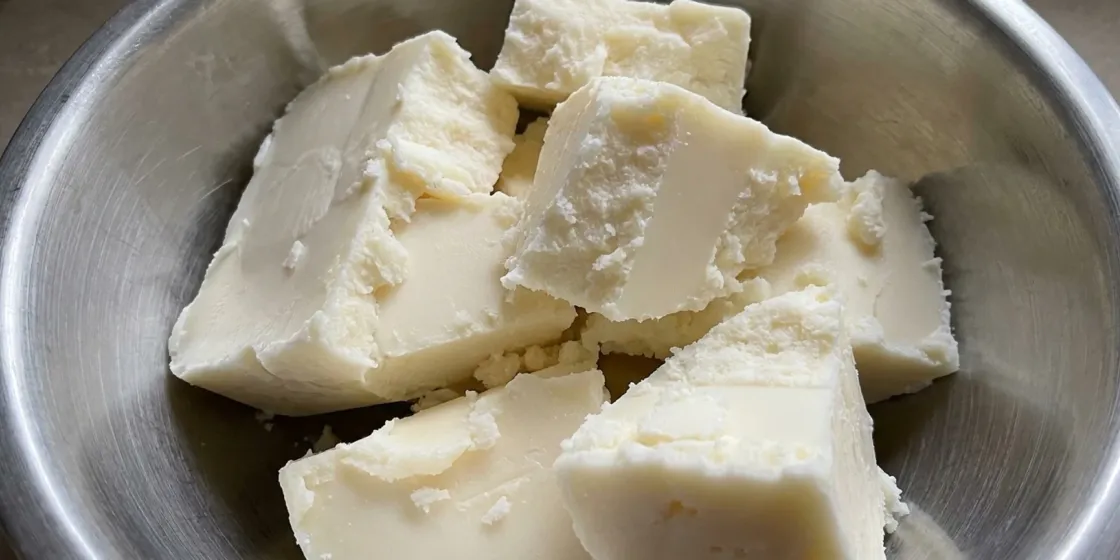 Grass-fed, grass-finished
Bulk Grass-Fed Grass-Finished Suet Tallow
For soap you label or list as made with grass-fed, grass-finished tallow.
- 7 lb bucket$36.75$5.25/lb
- 35 lb block$148.75$4.25/lb
-
Plan your tallow order
Turn this recipe into buckets and blocks, with prices for each size.
Bulk tallow for soap making -
Sell finished bars instead
Stock our 4 oz tallow soap bars wholesale, with no minimum order.
Shop tallow soap bars -
Plan the business
Our founder’s guide walks through launching a tallow soap line.
Start a tallow soap business
FAQ
Calculator questions
Still have a question? Call 612-208-6516 or email hello@wholesaletallowsoapusa.com.
What does a tallow soap calculator do?
It works out the lye, water, and batch weight a soap recipe needs: sodium hydroxide (NaOH) for bars, potassium hydroxide (KOH) for liquid soap, or both. Each oil needs a different amount of lye, so the calculator applies a SAP value to each one, then adjusts for your superfat and lye purity. This one also checks the recipe and tells you what to change.
Can the calculator tell me if my soap recipe is good?
Yes. It scores the bar on seven standard qualities and checks the superfat, lye strength, castor, rancidity-prone oils and scent. Each result is green (on target), amber (leans one way) or red (fix before making it), with a suggested swap you can try in one tap.
Can the calculator make my soap harder, gentler or more bubbly?
Yes. Under Bar qualities, tap More or Less on hardness, cleansing, conditioning, bubbly or creamy lather. The calculator swaps a little of one oil for another, keeps every other quality in its typical range, and recalculates the lye and water so your superfat stays put. Undo puts it back.
How do I find the superfat of a recipe I already make?
Choose Check my recipe, enter your oils, then the lye and water you use. The calculator works backward to your superfat and lye solution strength, and flags a lye-heavy recipe in red.
Can I use it for vegan or plant-based soap?
Yes. It’s built tallow-first, but it works for any soap: castile, olive and coconut blends, shea and cocoa butter bars, salt bars, laundry soap and liquid soap. Load a plant-based example to see how the check reads.
How is this calculator different from SoapCalc?
SoapCalc gives you the lye amount and the bar quality numbers after you press Calculate. This calculator updates as you type, tells you in plain English whether the recipe is balanced and what to change, checks recipes you already make from their lye amount, and adjusts for lye purity and citric acid.
How much lye do I need for tallow soap?
It depends on four inputs: the exact tallow weight, the SAP value used, your superfat, and the purity of your NaOH. Change any one and the answer changes, which is why the calculator keeps all four in view.
Where can I buy tallow for soap making?
From us. We sell Bulk Suet Tallow and Bulk Grass-Fed Grass-Finished Suet Tallow in 7 lb buckets and 35 lb blocks, with no minimum order. See bulk tallow for soap making for sizes and prices.
Why does lye purity matter?
Because lye is not always 100% pure. At 97% purity you need slightly more by weight to get the same active NaOH, so enter the purity listed for the product you bought.
Can I calculate liquid soap with KOH?
Yes. Pick Liquid soap (KOH) under Lye and water. Enter your KOH purity (most is 90%), use a 0 to 3% superfat, and the check switches to liquid soap rules: clarity, paste strength and castor. Dual lye mixes NaOH and KOH for bars with bigger lather or cream soap.
Why can home-rendered tallow give a different result?
Because rendered tallow varies with the animal, diet, tissue, processing, moisture, and storage. The calculator uses a reference SAP value, not a measurement of the fat in your container, so test small batches first.
Is the result a safety approval?
No. The result is a formulation aid, not a safety approval, a regulatory determination, or a finished commercial formula. Verify every ingredient, measurement, and process before you make a batch.