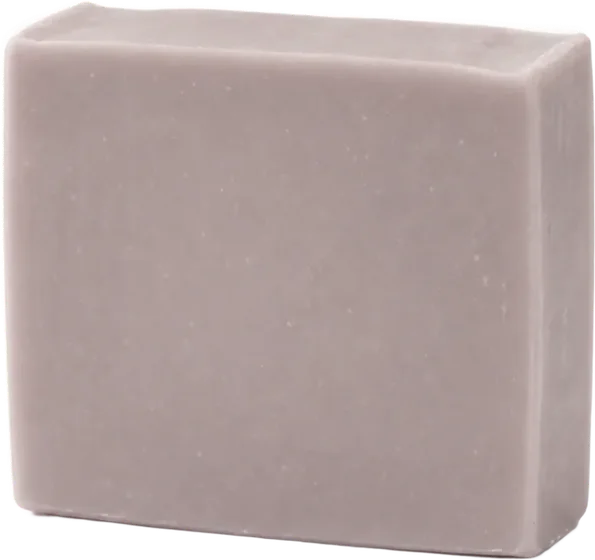
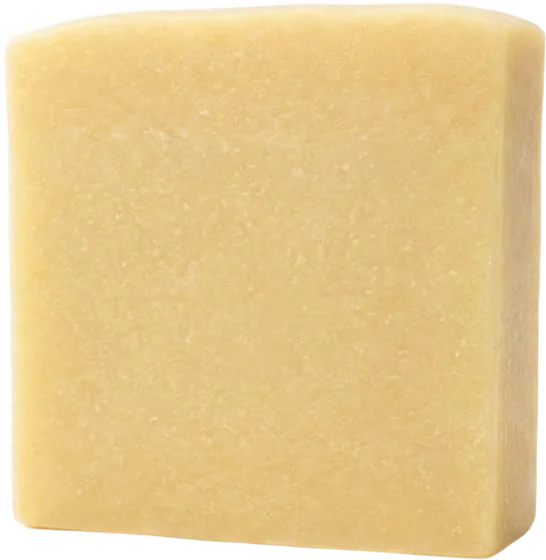
Manufacturing comparison
Cold process vs hot process soap: what wholesale buyers need to know
Neither method is automatically better. Judge the finished bar, its cure, and how reliably it’s made.
Updated
Neither cold process nor hot process soap is automatically better. Both make soap through saponification, the reaction between fats or oils and an alkali, and both can make tallow soap. For a wholesale buyer, the finished bar matters more than the method: its formula, its cure, and how reliably the maker produces it.
How each method works
Cold process relies on the reaction and the cure after the soap batter is poured. Little heat is added after mixing, so the batter stays fluid enough for smooth pours, layers, and swirls.
Hot process applies sustained heat to drive the reaction further before the soap is molded. The batter turns thick, so the bars often look more rustic and textured.
Chemistry reference: Making Soap, Chemistry LibreTexts.
Cold process vs hot process, side by side
| Cold process | Hot process |
|---|---|
| Little added heat after mixing | Sustained heat advances the reaction |
| More fluid batter at the pour | Thicker, more rustic batter before molding |
| Suits smooth pours, layers, and swirls | Often produces a more textured look |
| Needs a meaningful cure | Reacts sooner, but drying time still matters |
What to judge instead of the method
The finished product matters more than process mythology. Before you commit, ask any supplier about:
- Bar size and the complete formula
- The cure policy, and when bars are released to ship
- Batch consistency, and how much the look can vary
- Scent, packaging, and what is in stock now
- Production capacity and lead time for your quantity
Then handle samples and store them the way your customer will. A well-controlled process should produce a bar that fits your channel, batch after batch.
How we answer: our bars are made with pasture-raised, grass-fed, grass-finished tallow from small family farms, every soap bar in our wholesale shop is 4 oz and ships unlabeled, and each product page lists the bar’s ingredients. Timing depends on the product and quantity; see our Production and Curing Policy. Color, scent, and texture can vary naturally between batches, as our Natural Variation Disclaimer explains.
Judge the finished bar yourself
Soap samples are 2 oz for $3 in any of our 12 scents. Add them to your cart and check out like any order. Shipping is calculated at checkout, before you pay.
FAQ
Cold and hot process questions
Still have a question? Call 612-208-6516 or email hello@wholesaletallowsoapusa.com.
More buyer guidesDoes hot process soap still need to cure?
Usually, yes. Heat advances the reaction, but the finished bar still holds water and benefits from time to dry, harden, and stabilize. Ask the supplier what release standard it uses.
Is cold process soap more natural?
No. The method doesn’t define “natural.” Review the complete formula, sourcing statements, scent materials, colorants, and product claims instead.
Which process makes a harder bar?
Neither, on its own. Hardness depends mostly on the blend of fats and oils, the water, the cure, and storage. Tallow can help make a firm bar in either method when the formula is designed well; see what tallow adds to a bar.
Which process is better for private label?
The one that reliably produces the bar you approved, in your quantity and on your timeline. Judge the samples, not the method name. See how private label works with our bars, or custom tallow soap manufacturing for a formula of your own.